My Friends Were Using Me as a Free Therapist — Here's How I Finally Put a Stop to It
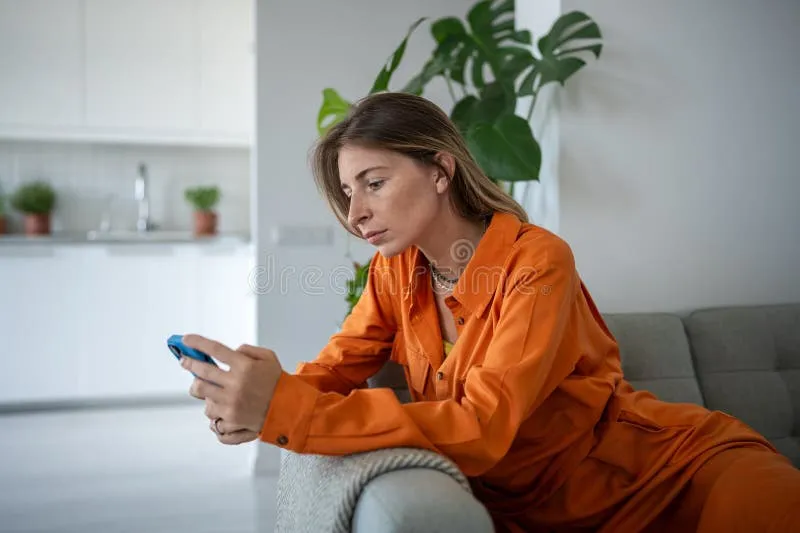
Photo: woman looking exhausted during phone call sitting on couch, via thumbs.dreamstime.com
Somewhere around my late twenties, I started dreading certain phone calls before I even picked up. You know the ones. The contact name lights up your screen and your stomach does this little sink. Not because you don't care about the person — but because you already know exactly how the next ninety minutes are going to go.
They'll talk. You'll listen. You'll offer thoughtful, careful words that took real emotional energy to produce. And then, when there's finally a pause long enough for you to say "actually, I've been going through something too," the conversation will somehow find its way back to them.
I used to call these people my close friends. Now I call that dynamic what it actually is: one-sided emotional labor dressed up as intimacy.
When "Being There" Becomes a One-Way Street
Here's the thing nobody talks about enough — there's a version of friendship that looks supportive but is actually just... extraction. One person mines the relationship for emotional resources, and the other person keeps showing up because that's what good friends do, right?
I was that second person for a long time. I told myself I was being a good listener. I told myself that's just what empathy looks like. But if I'm being straight with you — and that's kind of the whole point of this site — I was also afraid. Afraid that if I stopped being the person who absorbed everyone else's chaos, I'd lose my place in their lives entirely.
That fear kept me on the phone way too long, way too many times.
The Conversation That Finally Cracked It Open
There was one specific night — I'd just gotten some genuinely scary news about a family member's health. I called a friend I'd known for almost a decade. Within four minutes, she had redirected the conversation to a work conflict she was dealing with. I remember sitting on my kitchen floor, nodding along, saying "mmhm" on autopilot while my own anxiety was quietly eating me alive.
When I hung up an hour later, I hadn't said a single word about what I was actually going through.
That was the moment I stopped pretending the dynamic was fine.
Why We Let This Happen (No Judgment, Just Honesty)
We accept one-sided relationships for all kinds of reasons, and most of them make total sense when you look at them clearly.
Some of us were raised to equate caretaking with love. If you grew up in a household where your emotional value was tied to how helpful you were, you learned early that being needed is how you stay close to people.
Some of us genuinely don't know what reciprocal friendship feels like, so we can't even clock what we're missing.
And some of us — honestly — enjoy feeling needed. There's a quiet ego hit in being someone's go-to person. It's just that the cost of that hit compounds over time until you're completely overdrawn.
What I Do Now Instead
I didn't ghost anyone. I didn't write a dramatic letter. What I did was a lot more boring and a lot more effective: I started redirecting.
When a conversation starts tilting into the familiar pattern — where I can feel myself becoming a sounding board rather than a participant — I practice what I can only describe as a gentle interruption. Something like: "I hear you, and I want to keep talking about this. But I've actually been carrying something heavy lately and I need a few minutes to put it down first."
Some people adjust immediately. They apologize, they ask, they show up. Those are the friendships worth keeping.
Others get uncomfortable, change the subject, or go quiet in a way that makes it obvious they weren't that interested in a two-way relationship to begin with. That information is useful too, even when it stings.
The Actual Replacement for Those Conversations
Here's what I do with the emotional energy I used to pour into those one-sided calls:
Journaling, and not the cute kind. I mean the ugly, unfiltered, nobody-will-ever-read-this kind. Writing out what I'm actually feeling without worrying about how it lands on someone else is genuinely therapeutic in a way that venting to a distracted friend never was.
Actual therapy. I know, I know — it's expensive and finding a good therapist in the US is its own whole obstacle course. But even biweekly sessions gave me a space where I was the one being heard, on purpose, by someone trained to do it. The contrast made it very clear how little of that I'd been getting from certain friendships.
Being more selective about who I call when I'm in it. I have two or three people in my life who actually ask follow-up questions, who remember what I told them last week, who check in without being prompted. I lean into those relationships harder now. Quality over quantity isn't just a productivity tip — it's a real thing.
You're Not Cold for Having Standards
Setting limits on emotional labor doesn't make you a bad friend. It makes you a sustainable one. You cannot keep pouring from a cup that never gets refilled — and the people who truly care about you won't ask you to.
The friendships I've been most honest with have actually gotten stronger since I stopped performing the role of unpaid therapist. Turns out, when you show up as a full person with your own needs and not just a supportive presence, some people rise to meet that. And the ones who don't? That's information you needed anyway.
Your peace is not a luxury. Protect it like it isn't.